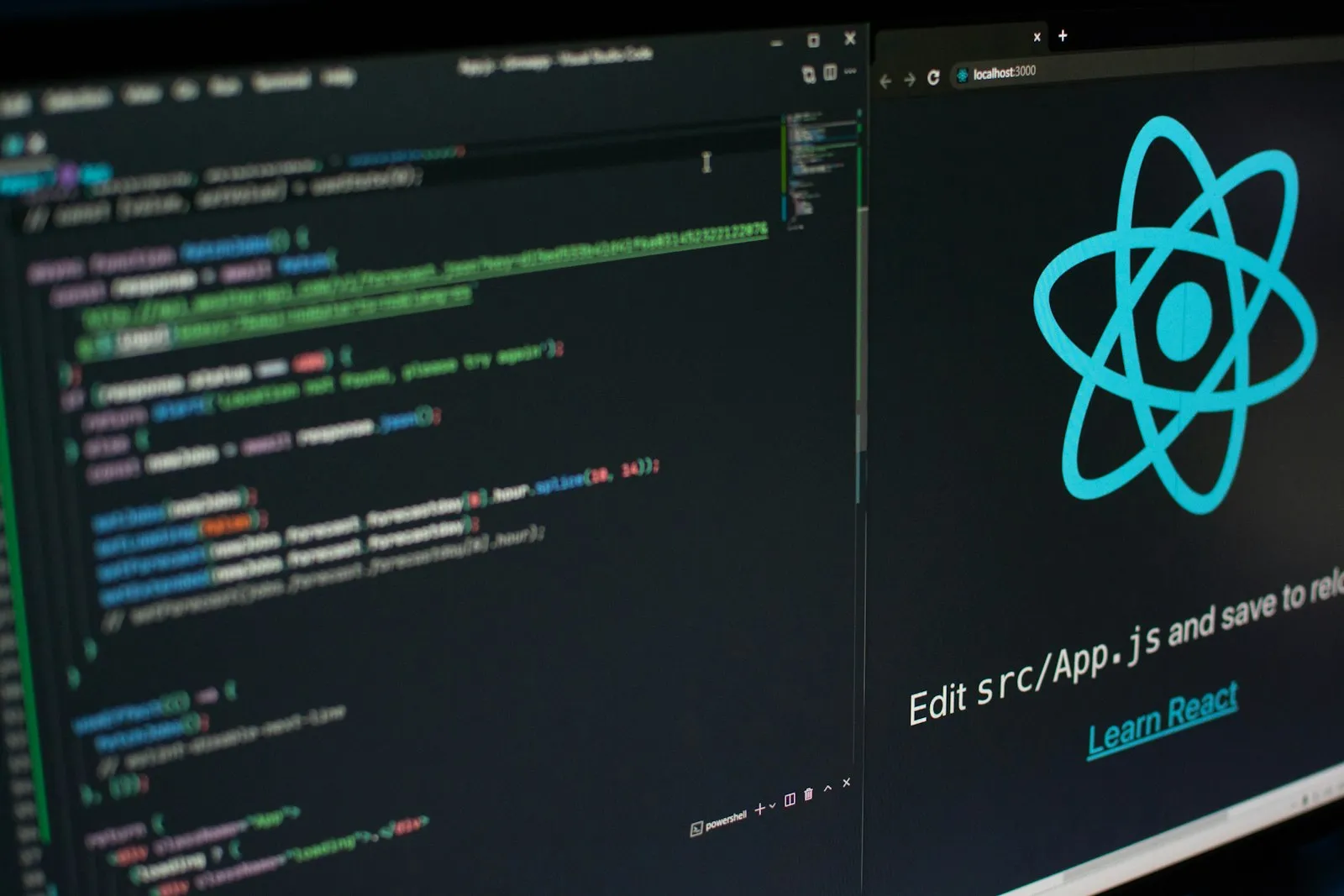
Tailwind CSS vs. CSS-in-JS: The Evolution of Styling
Styling determines bundle size and dev speed. Compare the utility-first approach with the component-centric model.

“Styling choice determines your bundle size and developer velocity. This guide compares the utility-first approach of Tailwind CSS with the component-centric model of CSS-in-JS (Styled Components/Emotion) for modern web applications.”
Type Safety and Maintainability at Scale
JavaScript is great for prototypes, but for large-scale applications, TypeScript is mandatory. By adding types, you catch entire categories of bugs at compile-time, before they ever reach a user.
In our experience, TypeScript reduces 'Production Bugs' by up to 15% and makes onboarding new developers 30% faster because the code 'documents itself.'
Build Tooling and Development Overhead
TypeScript does add a 'Build Step' and some initial setup complexity. However, with modern tools like Vite and SWC, the performance impact on your development cycle is virtually zero.
We help you configure your build pipeline for 'Zero-Config' TypeScript, ensuring you get all the benefits of types without the headache of complex configuration files.
IDE Support and the Joy of Refactoring
The real superpower of TypeScript is the IDE experience. With autocompletion, 'Go-to-Definition,' and safe refactoring, your developers become significantly more productive.
Renaming a function across a 100,000-line codebase in JavaScript is a nightmare; in TypeScript, it's a single, safe click. This developer happiness translates directly to higher velocity.
Gradual Adoption Strategies
You don't have to rewrite your whole app in a day. TypeScript allows for 'Gradual Adoption'—you can add types to one file at a time. We provide the 'Strictness' roadmap to help you transition safely.
We help you start with 'Loose' types to gain immediate benefits, then slowly increase the strictness as your team becomes more comfortable with the language.